Thiruveteeswarar
chithirai thiruther 2026: Siva vadhyam & Siva thandavam
https://youtu.be/MErzHZbiy64?si=uWMzD_YaY7hsrwXa

Thiruveteeswarar
chithirai thiruther 2026: Siva vadhyam & Siva thandavam
https://youtu.be/MErzHZbiy64?si=uWMzD_YaY7hsrwXa
Sri
Parthasarathi Kanu Parvettai purappadu 2026 : 'மயிற்பீலி’ - Arjuna Nritham

சிறு
வயதில் நம் கையில் இருந்த ஆக்ஸ்போர்ட் நிகண்டில் புரியாத வார்த்தைகளை தேடினோம்
! இன்று இணையத்தில் பல விஷயங்கள் மிக எளிதாக கிடைக்கின்றன. எனினும்
சில சமயம் சில தேடல்கள் முடிவற்ற ஓர் எல்லையை நோக்கி நீள்கின்றன(oxymoron). மிக எளிதான விஷயம் : 'மயிற்பீலி’,
- -பதிவு பொருள் பற்றியதல்ல, அதை அணியும் மாயோனை பற்றியது !!!
.jpg)
மயில் இறகுகளை வாங்கி உங்கள் வீட்டை அழகுபடுத்தினால் வீடும் அழகாகும் வாஸ்துப்படி உங்களுக்கும் உங்கள் குடும்பத்தாருக்கும் பல நன்மைகள் கிட்டும் என படித்தேன் .. .. நம்புவீர்களா, இல்லையோ !! விவாதம் தேவையில்லை ! . சிறு வயதில் மயில் இறகை புத்தகத்தினுள் வைத்து, அது குட்டி போடும் என்று நம்பி பலர் வைத்திருந்தது என்னவோ உண்மை !
சிலம்பின்
கதை என்பதிலிருந்து சில வரிகள் : நீர்நிலைகள். அவற்றில் உள்ள வாளைமீனைக் கவ்வ
நீர்நாய் செல்லும்; அவற்றினின்று தப்ப அவ்வாளைகள் நடக்கும் பாதையில் துள்ளி வந்து விழும்;
அதனைக் கண்டு இந்த மெல்லியலாள் திடுக்கிடக் கூடும். தீமை நிகழாது; எனினும் அதைக் கண்டு
கண்ணகி அஞ்சும் நிலை ஏற்பட வாய்ப்பு உள்ளது. .. .. .. சோலையா வயலா அவர்கள் சிந்தனைக்கு
விட்டு விட்டுக் கவுந்தியடிகள் பயணத்துக்குப் புறப்பட்டார். கட்டுச் சோறும் பெட்டிப்
படுக்கையுமா எடுத்துச் செல்ல முடியும்? தோளில் தொங்கவிட்ட உறி; அதில் ஒரு சோறு உண்ணும்
பிச்சைப் பாத்திரம்; மற்றும் கையில் ஒரு மயிற்பீலி;
உயிர்களுக்கு ஊறு நிகழாதபடி தடுக்க அந்த மயிற்பீலி;
துறவிக்கு இவையே சொத்துகள்; இவற்றை ஏந்திய நிலையில் அவர்களோடு கவுந்தியடிகள் புறப்பட்டார்.
Kerala is a mystic land ! -
Adorned with peacock feathers on the waist, ‘njuri’ on top, with a crown and
ornaments — kollaram, kazhutaaram, vala, tholpoottu, and paratikkamani — and
masked with green, yellow, and black paint, artists get down from the chariot
(chaadu) and head out to the Bhagvathy temple. They bow to Goddess Kaali and
proceed to dance. This is Arjuna Nritham. This centuries-old ritual art form that was once
prominent in south Kerala is now on the verge of extinction. Nadesan Palamoottil and his team from Kurichy are busy working
hard to revive the art form and push it back to where it once belonged.

Arjuna Nritham (the dance of
Arjuna) is believed to have evolved from the Arya– Dravidian
culture. Here is a hand-drawn artwork of Arjuna Nritham from the
collection "Folk arts of Kerala" from the twitter post of :
@AthiraSajeevT
Efflorescence (confused what !!) is a crystalline deposit of salts
that can form when water is present in or on brick, concrete, stone, stucco or
other building surfaces. It has a white or greyish tint and consists of salt
deposits that remain on the surface after water evaporates. In chemistry,
efflorescence (which means "to
flower out" in French) is the
migration of a salt to the surface of a porous material, where it forms a
coating. The essential process involves the dissolving of an internally held
salt in water, or occasionally in another solvent. The water, with the salt now
held in solution, migrates to the surface, then evaporates, leaving a coating
of the salt.
In what has been
described as "primary efflorescence", the water is the invader and
the salt was already present internally, and a reverse process, where the salt
is originally present externally and is then carried inside in solution, is
referred to as "secondary efflorescence". Efflorescences can occur in
natural and built environments. On porous construction materials it may present
a cosmetic outer problem only (primary efflorescence causing staining), but can
sometimes indicate internal structural weakness (migration/degradation of
component materials).
கருங்கண் தோகை மயிற்பீலி அணிந்து ..
அருங்கலவுருவின் ஆயர் பெருமான்.jpg)
A web search on மயிற்பீலி - gave me English meaning as ‘an efflorescence formed’ and in Tamil : மயிலிறகு ; மயில்தோகை விசிறி
At Thiruvallikkeni and in
all other divyadesams, in the month of Margazhi it is ‘Dhanur vizha’ – every
day there is rendering of Sri Andal’s thiruppavai (there are discourses too on
Thiruppavai and so many places by learned people). In this month occurs
the 9 day Neeratta uthsavam and on Bhogi there is Thirukalyana mahotsav of
Andal with Namperumal. On Sankranthi day, there is Urgola uthsavam. After
Sankranthi, comes ‘Kanu Uthsavam’ ~ in the morning there would be
Kanu purappadu of Andal and in the evening Sri Parthasarathi Kanu
parvettai purapapdu. .
அழகான பறவை மயில்
இந்தியாவின் தேசிய பறவை, மட்டுமல்ல; பூட்டானின் தேசிய பறவையும் மயில்தான். ஆண்
மயிலுக்கே பெரிய தோகை உண்டு. நன்கு வளர்ந்து முதிர்ந்த மயிலுக்கு தோகை சுமார் 200 செ.மீ. நீளம் வரை
இருக்கும். அழகு மயிலின் ஓசை தன்னை அகவல் என்று கூறுவர்! மயிற்பீலி, என்பது
: மயிலிறகு.
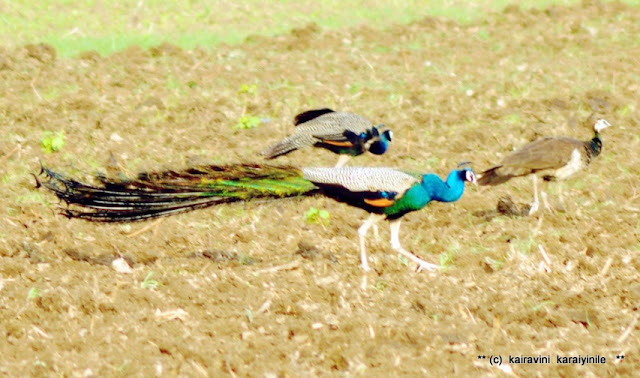
One of the most beautiful
living things – Peacocks, are large, colorful pheasants (typically blue and
green) known for their iridescent tails. These tail feathers, or coverts,
spread out in a distinctive train that is more than 60 percent of the bird’s
total body length and boast colorful "eye" markings of blue, gold,
red, and other hues. The large train is used in mating rituals and courtship
displays. It can be arched into a magnificent fan that reaches across the
bird's back and touches the ground on either side. Though the term
"peacock" is commonly used to refer to birds of both sexes, only
males are peacocks. Females are peahens, and together, they are called peafowl.
Peacock feathers, or mor
pankh, மயிலிறகு, is regarded as an auspicious symbol in
our culture. In school days, remember, we were happy in having small
feathers inside our notebooks, symbolizing good luck and prosperity. The
peacock remains the oldest ornamental bird in the world. The peacock
could foretell rain, by dancing before it pours.
Peacock feathers
represent pride, and by extension, nobility and glory. Peacocks are also known
to eat poisonous plants with no ill effects, making their feathers a symbol of
incorruptibility and immortality.
In ancient Greece,
the peacock was the patron bird of the goddess Hera. According to myth, she
placed "eyes" on its feathers, symbolizing all-seeing knowledge and
the wisdom of the heavens. Peacock Feathers have been used for healing
for tens of thousands of years in every culture throughout time. They are said
to carry Spiritual Healing Energy that can be used to assist people seeking
balance and harmony in their lives. In Celtic, the feather was worn by
Druids in the form of ornate feathered robes. Celtic Druids donned these robes
in ceremonies to invoke the sky Gods and gain knowledge of the celestial realm.
It was believed that the feathered cloak along with the presence of the sky
gods would allow the Druid to transcend the earthly plane and enter the ethereal
realm. Egyptians believed that feathers were symbolic of sky gods too. Ma'at,
the Egyptian goddess of justice, would weigh the hearts of the newly dead in
the underworld against the weight of a feather to determine the worthiness of
his or her soul.
.jpg)
.jpg)
.jpg)
.jpg)
On Kanu parvettai day
occurs the annual trip of Kachi Varadar, famously known as
‘Seevaram Paarvettai’.. and at
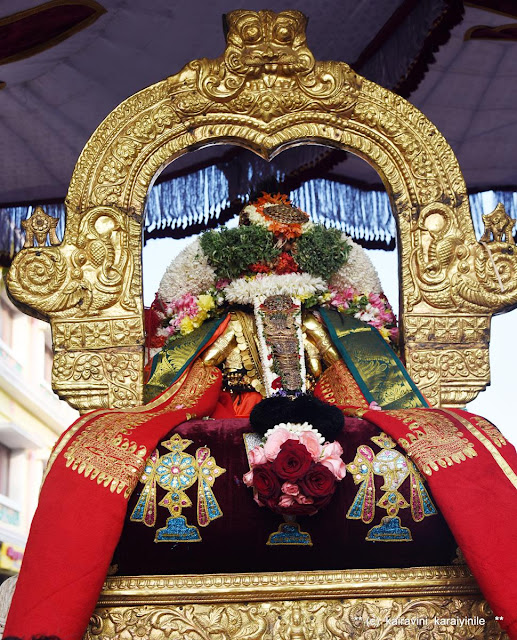
Thiruvallikkeni today is Kanu Parvettai purappadu. Words could fail
describing His beauty and grace.
கருங்கண் தோகை மயிற்பீலி அணிந்து கட்டிநன்குடுத்த
பீதக வாடை; அருங்கலவுருவின் ஆயர் பெருமான்….
Periyazhwar describes
Krishna ~ that of subjects of Gokulam getting stranded on seeing
the beautiful cowherd Lord adorned with peacock feathers having
dark centre spots, and many jewels ….. when His mellifluous music pervaded, it
was not only devotees even the trees stood enchanted, and rained streams
of nectar, poured flowers, and bent their upper branches in every which way the
stood.
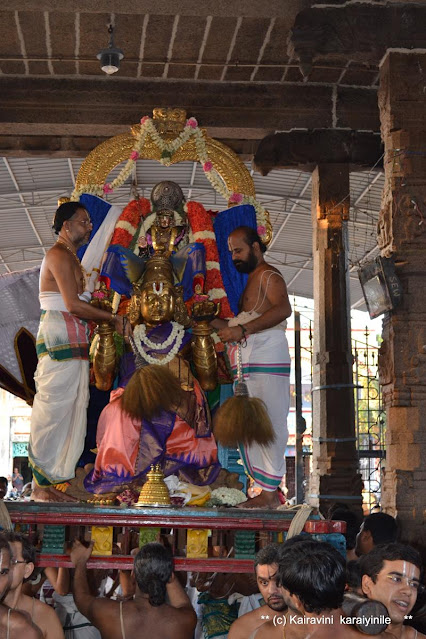
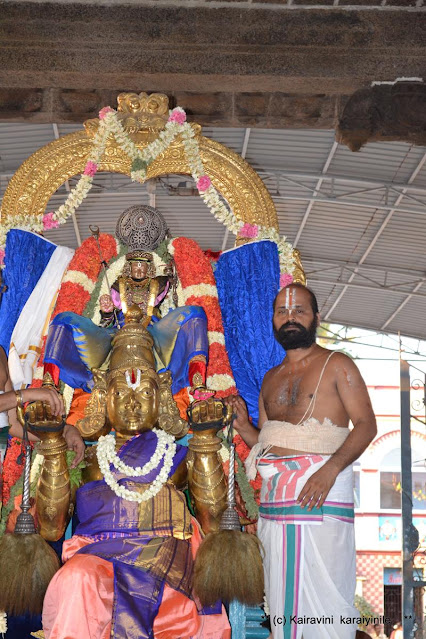
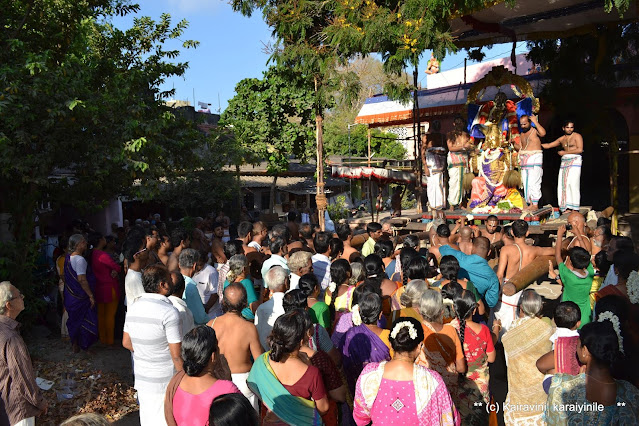
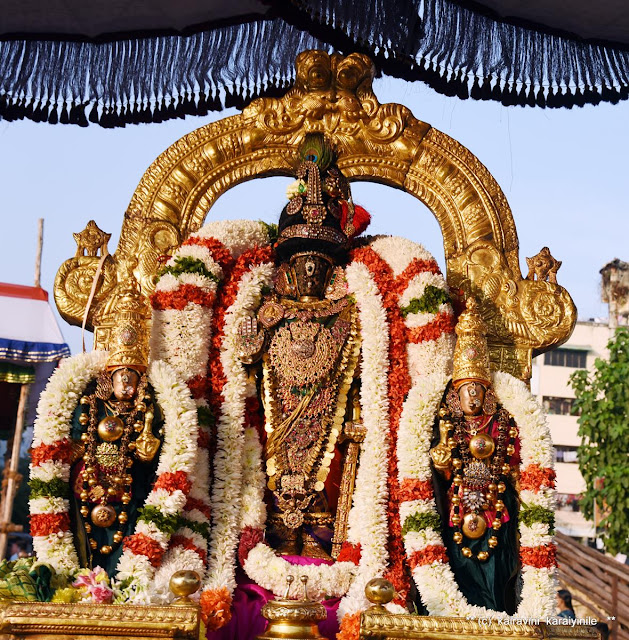
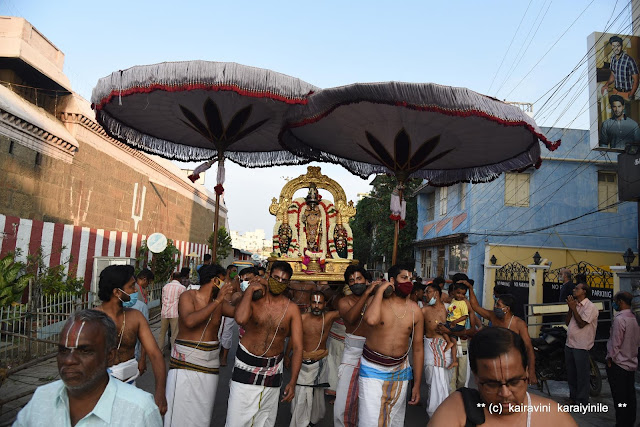
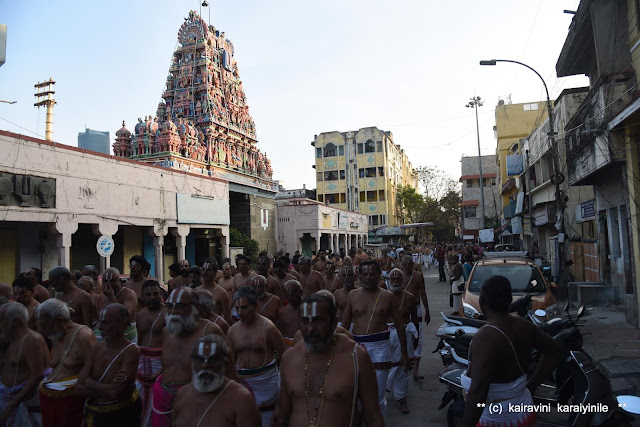
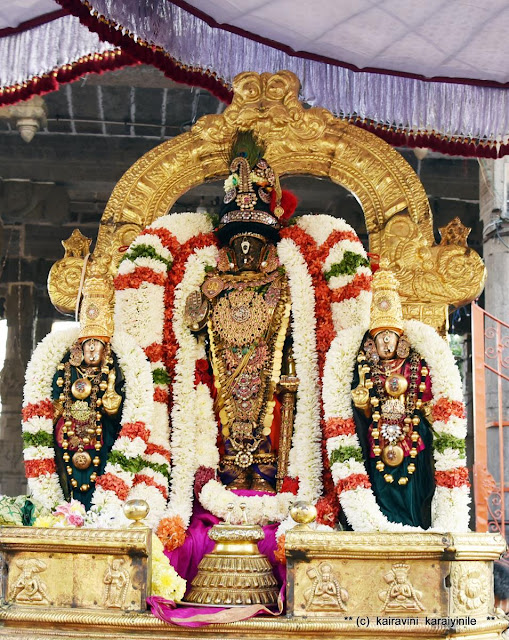
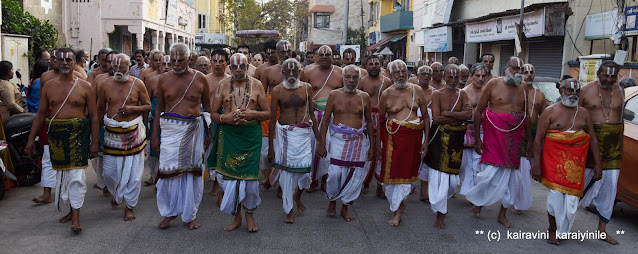
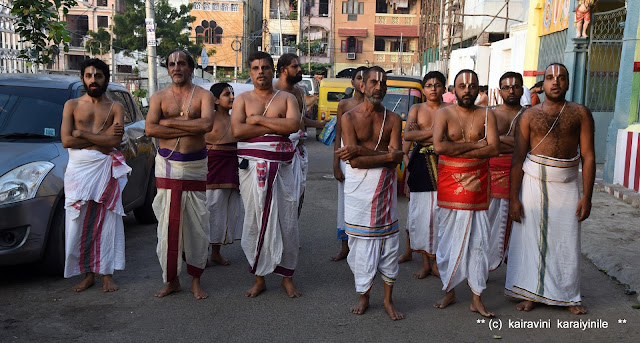
Here are some photos of the
Kanu parvettai purappadu at Thiruvallikkeni and darshan of Sri Parthasarathi
Emperuman adorning ‘peacock feather’ during purappadu at Thiruvallikkeni
on 16.1.2026
adiyen Srinivasa dhasan
Mamandur Veeravalli Srinivasan Sampathkumar
.jpg)
.jpg)
.jpg)
.jpg)
.jpg)
எம்பெருமானின் அவதாரங்களிலே இராம அவதாரமும் கிருஷ்ணாவதாரமும் மிக்க சிறப்புற்றவை. சக்ரவர்த்தி திருமகனான ஸ்ரீராமபிரான், சகல சிறப்புகளும் மிக்கவன். மிகுந்த உயரிய குணாதிசயங்கள் கொண்டவன்.
Sri Rama was the embodiment of Dharma; He was a great personality endowed with great valour coupled with all virtues. He was the King of all Worlds yet chose to go to the forest forsaking all pleasures obediently following the words of His father to Kaikeyi.
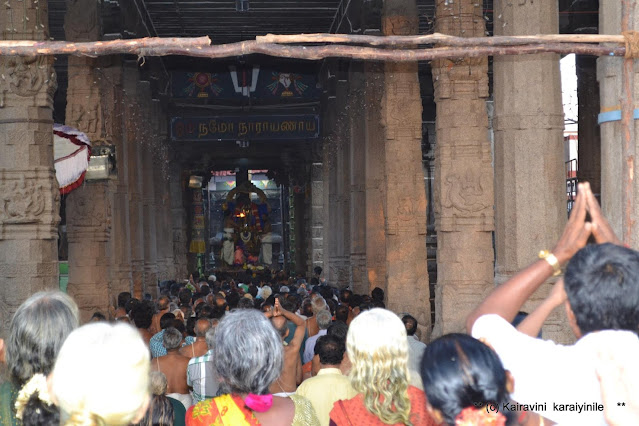
The great epic ‘Sri Ramayana’ is not just a story which happened long ago; it has a philosophical, spiritual significance and a deep truth in it. The words ‘rays’ and ‘radiance’ come from the Sanskrit root word ‘ra’. ‘Ra’ means light, ‘Ma’ means within me, in my heart. The mighty warrior yet the most benevolent Rama was born in Ayodhya. When there is no conflict in our mind, then the radiance can dawn.
Rāmāyaṇa is the epic of the richest and longest surviving civilization on the face of the planet. The essence of Rāmāyaṇa boils down to Plurality and Righteousness. Rāmāyaṇa presents various challenging situations and shows how personalities succeed or fail in those situations. In Bala Kaanda Sarga 1 – Sage Nārada describes Rāma - the characteristics that are held in high esteem by the society of the times. (https://readramayana.org/)
इक्ष्वाकुवंशप्रभवो*
रामो नाम जनैः श्रुतः ।
नियतात्मा महावीर्यो* द्युतिमान्धृतिमान् वशी ॥
He is born into the lineage of Ikshwāku; He is known to all by the name Rāma. He has complete mastery over himself; He is a man of great valour; He is of brilliant radiance. He is extremely courageous. He has complete mastery over his senses.
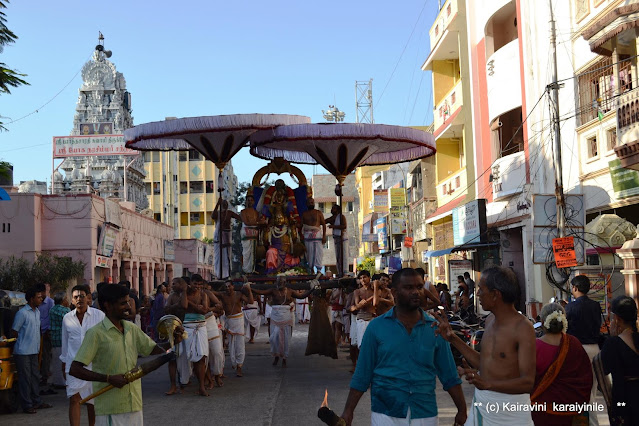
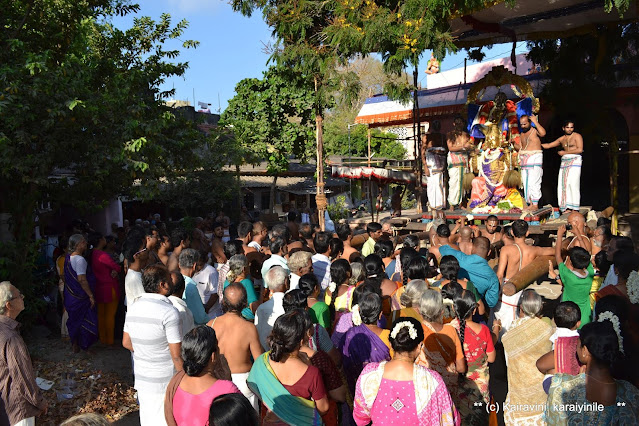
Praying Lord Sree Rama will rid us of all sins and ensure that we live a life worthy of existence, calm, peaceful and helping humanity .. .. Carnatic music richly extols Sree Rama and here is one popular kriti, which for sure, many of you know more details.
Mysore Vasudevacharya (1865 – 1961) was a great composer of Carnatic music compositions who belonged to the direct line of Thyagaraja's disciples. Vasudevachar's compositions (numbering over 200) were mostly in Telugu and Sanskrit. Some of his most popular kritis include Broche varevaru ra in Khamas raga, Devadideva in Sunadavinodini, Mamavatu Sri Saraswati in Hindolam, Shankari Ninne in Pantuvarali, Bhajare Re Manasa in Abheri and Ra Ra Rajeevalochana Rama in Mohanam. He was a recipient of the civilian honour of the Padma Bhushan.
He is credited with two writings in Kannada, one of them an autobiography called Nenapugalu (memories) and Na Kanda Kalavidaru (the musicians I have met) in which he wrote the biographies of many well known musicians. Mysore Vasudevachar also taught in Rukmini Devi's Kalakshetra, (founded in 1936). He became the chief musician in Kalakshetra and helped in setting the Ramayana to music. He died in 1961 at the age of 96. He lived a simple and austere life devoted to the study of Sanskrit and music. He published a large number of his compositions in the book Vasudeva Kirtana Manjari. His compositions in Telugu have such sweetness and lilt, and beautifully blend with the tune of the raga as do the Sanskrit compositions, which are mellifluous. His songs reflect his mastery of Sanskrit and show his erudition and scholarship in Sanskrit literature. He considered his insight into Telugu as a gift from Thyagaraja (Thyagaraja's bhiksha). True to his Vaishnava heritage and the Thyagaraja shishya parampara to which he belonged, most of his compositions are in praise of Lord Rama. In addition to Kritis and Keertanas, he also composed Varnams, Thillanas, Javalis and slokas.. .. ..
This film in 1980 was a real classic and changed the way some of the movies had been taken – unlikely that a similar movie would ever be attempted – certainly not in Tamil tinseldom. It was reported that the producers after hearing the plot thought of Akkineni Nageswara Rao (some news that the director wanted Sivaji Ganesan) to perform the lead role. Eventually it was a debutant who was chosen by K Viswanath who scripted and directed the film, while Jandhyala gave the dialogues. There were 16 songs of KV Mahadevan that lifted the movie to great heights, making it a real musical extravavganza.
Sankara Sastri, a very popular Carnatic singer, is a widower with a daughter named Sarada. People come in huge numbers to listen to his voice and consider him to be a great man. He has mastered the raga Shankarabharanam and hence is eponymous with the same. Tulasi is a bonded woman's daughter who has a great interest in music and dance. She is also an admirer of Sastri, and goes to the riverbank in the early mornings when Sastri teaches music to his own daughter. One morning Tulasi is so thrilled by Sastri's singing that she begins dancing on the riverbank, oblivious of her surroundings. Sastri sees her, and Tulasi also comes to her senses and abruptly stops. She expects Sastri to rebuke her. But he appreciates her sincerity and continues singing.
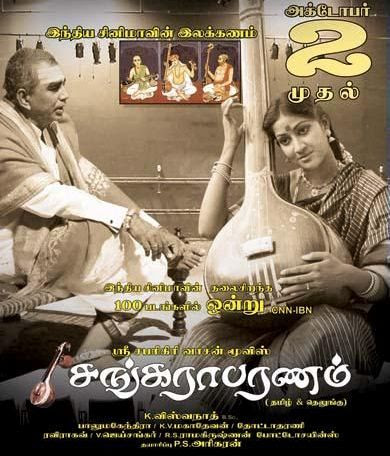
Sankarabharanam (transl. The jewel of Sankara) directed by K. Viswanath, produced by Edida Nageswara Rao under the production company Poornodaya Movie Creations, starred J. V. Somayajulu, Manju Bhargavi, Chandramohan, and Rajyalakshmi. The soundtrack was composed by K. V. Mahadevan and remained a chartbuster. The film threw light on the chasm between Classical and Western Music based on the perspective of people from two different generations.
One of the hit songs in the movie was : “Broche varevaru ra” a popular Telugu composition of Mysore Vasudevachar in Raga Kamas.
బ్రోచేవారెవరురా నిను వినా రఘువరా నను
నీ చరణాంబుజములఁ నే విడజాల కరునాలవాల
brōcēvārevarurā
ninnu vinā raghuvara nanu1
nī caraṇāmbujamula(n) nē viḍajāla karuṇālavāla
Who else, but you,
is my saviour, O Lord Rama
I cannot let go of your lotus-feet, O repository of compassion!
Here
is the song from the movie Sankarabaranam sung by SP Balasubramanian and S
Janaki to the music of KV Mahadevan. :
The hero of the movie - Jonnalagadda Venkata Somayajulu (1920 – 2004) shot to fame with the movie and went on to act in a few Tamil, Malayalam, Kannada and Hindi films. In 1980, he received the Filmfare Award for Best Actor – Telugu for his work in the classic Sankarabharanam. On the centenary of Indian cinema, Forbes included his performance in the film among the 25 Greatest Acting Performances of Indian Cinema. Some of the other films that earned Somayajulu a good reputation as an actor were Allari Pillalu, Nelavanka, Rowdy Alludu, Swathi Muthyam, Tyagayya, Saptapadi, Vijeta, Appula Appa Rao, Vamsa Vruksham and the Hindi film Jaag Utha Insan. He portrayed the guru character of Sri Raghavendra in the Tamil film Sri Raghavendrar. He made a 13-episode television serial based on the play Kanyasulkam. He also portrayed A.C. Bhaktivedanta Swami Prabhupada, in the biographical series Abhay Charan.
Somayajulu was born in Srikakulam, was a Govt official and worked as a Deputy collector for Mahabub Nagar district. His career spanned five decades in stage dramas, films and television.
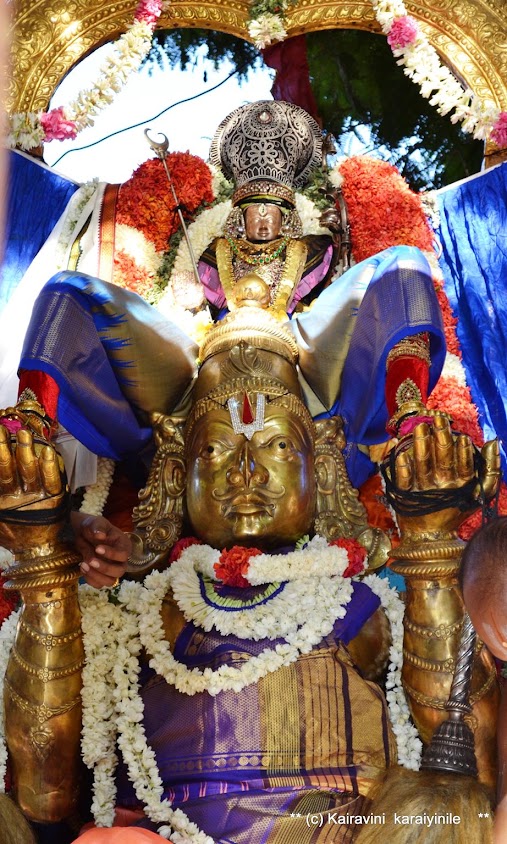
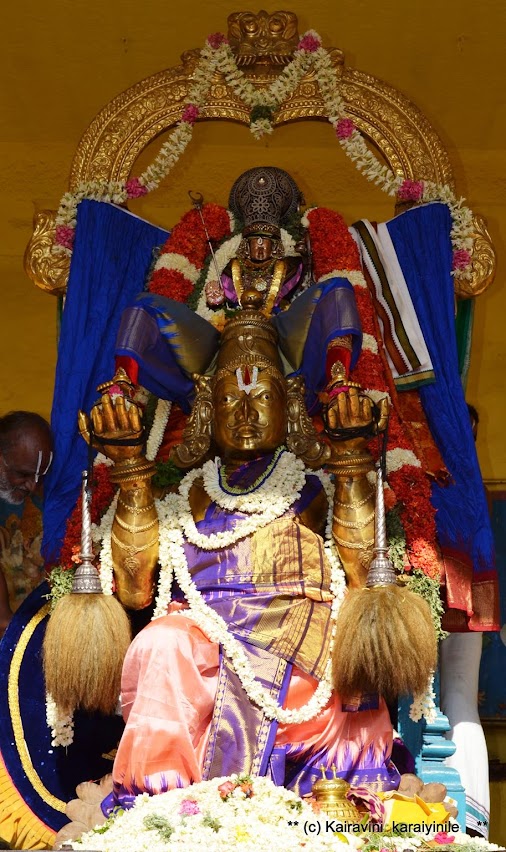
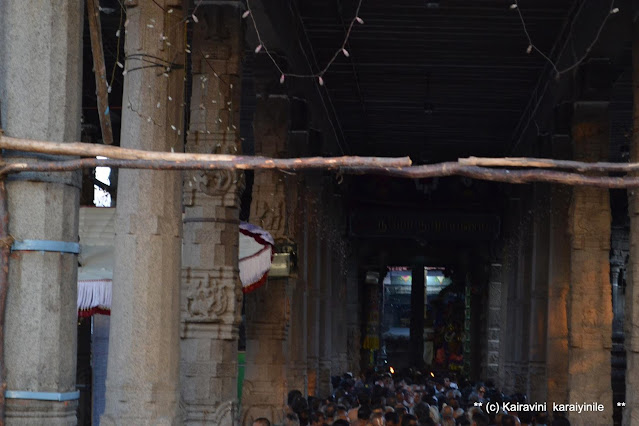
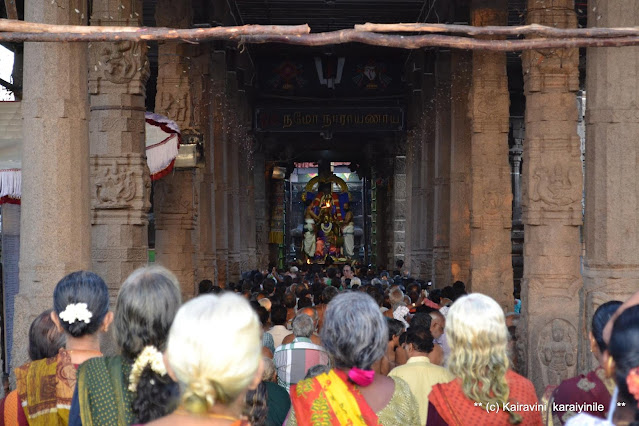
Reminiscing the glorious past and praying Sree Ramachandra murthi – here are some photos of Sree Ramar Garuda sevai at Thiruvallikkeni divyadesam on 9.4.2016.
சிறு வயதில் நம் கையில் இருந்த ஆக்ஸ்போர்ட் நிகண்டில் புரியாத வார்த்தைகளை தேடினோம் ! இன்று இணையத்தில் பல விஷயங்கள் மிக எளிதாக கிடைக்கின்றன. எனினும் சில சமயம் சில தேடல்கள் முடிவற்ற ஓர் எல்லையை (oxymoron) நோக்கி நீள்கின்றன. மிக எளிதான விஷயம் : 'மயிற்பீலி’, - -பதிவு பொருள் பற்றியதல்ல, அதை அணியும் மாயோனை பற்றியது !!!
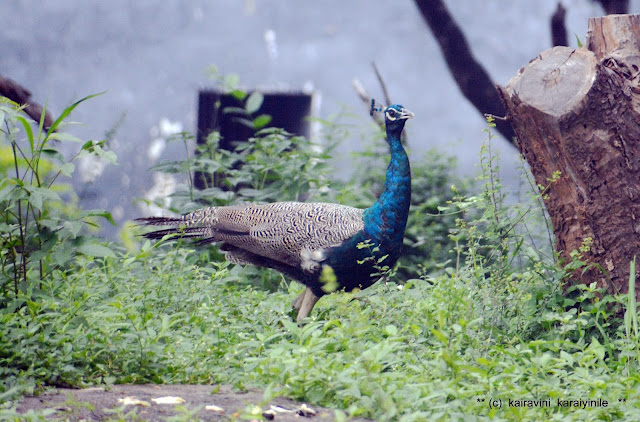
சிலம்பின் கதை என்பதிலிருந்து சில வரிகள் : நீர்நிலைகள். அவற்றில் உள்ள வாளைமீனைக் கவ்வ நீர்நாய் செல்லும்; அவற்றினின்று தப்ப அவ்வாளைகள் நடக்கும் பாதையில் துள்ளி வந்து விழும்; அதனைக் கண்டு இந்த மெல்லியலாள் திடுக்கிடக் கூடும். தீமை நிகழாது; எனினும் அதைக் கண்டு கண்ணகி அஞ்சும் நிலை ஏற்பட வாய்ப்பு உள்ளது. .. .. .. சோலையா வயலா அவர்கள் சிந்தனைக்கு விட்டு விட்டுக் கவுந்தியடிகள் பயணத்துக்குப் புறப்பட்டார். கட்டுச் சோறும் பெட்டிப் படுக்கையுமா எடுத்துச் செல்ல முடியும்? தோளில் தொங்கவிட்ட உறி; அதில் ஒரு சோறு உண்ணும் பிச்சைப் பாத்திரம்; மற்றும் கையில் ஒரு மயிற்பீலி; உயிர்களுக்கு ஊறு நிகழாதபடி தடுக்க அந்த மயிற்பீலி; துறவிக்கு இவையே சொத்துகள்; இவற்றை ஏந்திய நிலையில் அவர்களோடு கவுந்தியடிகள் புறப்பட்டார்.
Kerala is a mystic land ! - Adorned with peacock feathers on the waist, ‘njuri’ on top, with a crown and ornaments — kollaram, kazhutaaram, vala, tholpoottu, and paratikkamani — and masked with green, yellow, and black paint, artists get down from the chariot (chaadu) and head out to the Bhagvathy temple. They bow to Goddess Kaali and proceed to dance. This is Arjuna Nritham. This centuries-old ritual art form that was once prominent in south Kerala is now on the verge of extinction. Nadesan Palamoottil and his team from Kurichy are busy working hard to revive the art form and push it back to where it once belonged.
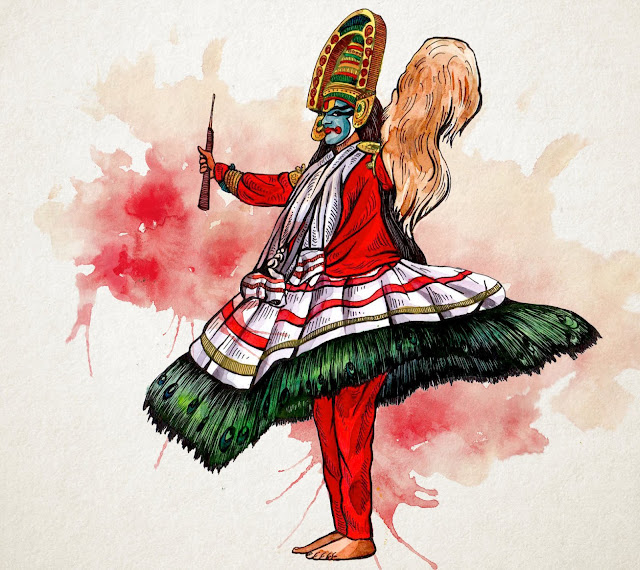
Arjuna Nritham (the dance of Arjuna) is believed to have evolved from the Arya– Dravidian culture. Here is a hand-drawn artwork of Arjuna Nritham from the collection "Folk arts of Kerala" from the twitter post of : @AthiraSajeevT and a video on Arjuna Nritham courtesy YOutube - https://youtu.be/piOwetlB2no
Efflorescence (confused what !!) is a crystalline deposit of salts that can form when water is present in or on brick, concrete, stone, stucco or other building surfaces. It has a white or greyish tint and consists of salt deposits that remain on the surface after water evaporates. In chemistry, efflorescence (which means "to flower out" in French) is the migration of a salt to the surface of a porous material, where it forms a coating. The essential process involves the dissolving of an internally held salt in water, or occasionally in another solvent. The water, with the salt now held in solution, migrates to the surface, then evaporates, leaving a coating of the salt.
In what has been described as "primary efflorescence", the water is the invader and the salt was already present internally, and a reverse process, where the salt is originally present externally and is then carried inside in solution, is referred to as "secondary efflorescence". Efflorescences can occur in natural and built environments. On porous construction materials it may present a cosmetic outer problem only (primary efflorescence causing staining), but can sometimes indicate internal structural weakness (migration/degradation of component materials).
கருங்கண் தோகை மயிற்பீலி அணிந்து .. அருங்கலவுருவின் ஆயர்
பெருமான்
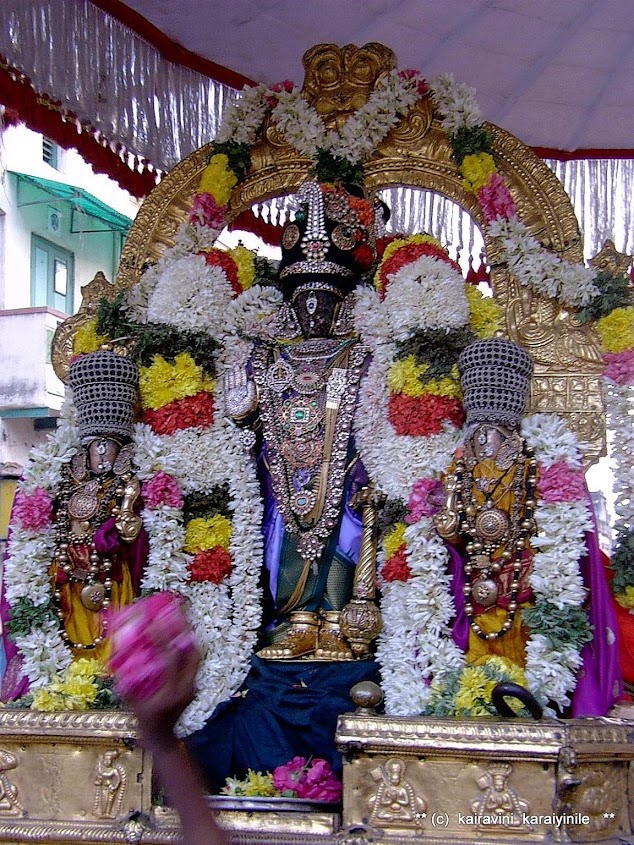
At Thiruvallikkeni and in all other divyadesams, in the month of
Margazhi it is ‘Dhanur vizha’ – every day there is rendering of Sri Andal’s
thiruppavai (there are discourses too on Thiruppavai and so many places by
learned people). In this month occurs the 9 day Neeratta uthsavam and on
Bhogi there is Thirukalyana mahotsav of Andal with Namperumal. On
Sankranthi day, there is Urgola uthsavam. After Sankranthi, comes ‘Kanu
Uthsavam’ ~ in the morning there would be Kanu purappadu of Andal and in the evening Sri
Parthasarathi Kanu parvettai purapapdu. .
அழகான பறவை மயில் இந்தியாவின் தேசிய பறவை, மட்டுமல்ல; பூட்டானின்
தேசிய பறவையும் மயில்தான். ஆண் மயிலுக்கே பெரிய தோகை உண்டு. நன்கு வளர்ந்து முதிர்ந்த
மயிலுக்கு தோகை சுமார் 200 செ.மீ.
நீளம் வரை இருக்கும். அழகு மயிலின் ஓசை தன்னை அகவல் என்று கூறுவர்! மயிற்பீலி,
என்பது : மயிலிறகு.
One of the most beautiful living things – Peacocks, are large,
colorful pheasants (typically blue and green) known for their iridescent tails.
These tail feathers, or coverts, spread out in a distinctive train that is more
than 60 percent of the bird’s total body length and boast colorful
"eye" markings of blue, gold, red, and other hues. The large train is
used in mating rituals and courtship displays. It can be arched into a magnificent
fan that reaches across the bird's back and touches the ground on either side.
Though the term "peacock" is commonly used to refer to
birds of both sexes, only males are peacocks. Females are peahens, and
together, they are called peafowl.
Peacock feathers, or mor pankh, மயிலிறகு, is
regarded as an auspicious symbol in our culture. In school days,
remember, we were happy in having small feathers inside our notebooks,
symbolizing good luck and prosperity. The peacock remains the oldest
ornamental bird in the world. The peacock could foretell rain, by
dancing before it pours.
Peacock feathers represent pride, and by extension, nobility and
glory. Peacocks are also known to eat poisonous plants with no ill effects,
making their feathers a symbol of incorruptibility and immortality.
In ancient Greece, the peacock was the patron bird of the
goddess Hera. According to myth, she placed "eyes" on its feathers,
symbolizing all-seeing knowledge and the wisdom of the heavens. Peacock
Feathers have been used for healing for tens of thousands of years in every
culture throughout time. They are said to carry Spiritual Healing Energy that
can be used to assist people seeking balance and harmony in their lives.
In Celtic, the feather was worn by Druids in the form of ornate feathered
robes. Celtic Druids donned these robes in ceremonies to invoke the sky Gods
and gain knowledge of the celestial realm. It was believed that the feathered
cloak along with the presence of the sky gods would allow the Druid to
transcend the earthly plane and enter the ethereal realm. Egyptians believed
that feathers were symbolic of sky gods too. Ma'at, the Egyptian goddess of
justice, would weigh the hearts of the newly dead in the underworld against the
weight of a feather to determine the worthiness of his or her soul.
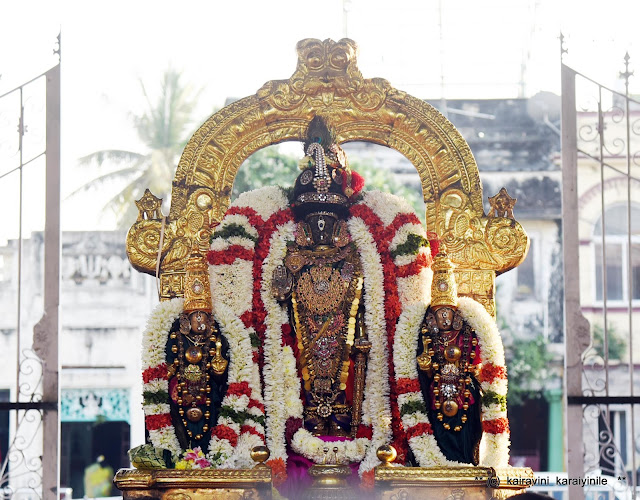
On Kanu
parvettai day occurs the annual trip of Kachi Varadar, famously
known as ‘Seevaram Paarvettai’.. (not happening this year due to Corona !!)
and at Thiruvallikkeni today is Kanu Parvettai purappadu. Words
could fail describing His beauty and grace.
கருங்கண் தோகை மயிற்பீலி அணிந்து கட்டிநன்குடுத்த
பீதக வாடை; அருங்கலவுருவின் ஆயர் பெருமான்….
Periyazhwar
describes Krishna ~ that of subjects of Gokulam getting stranded on
seeing the beautiful cowherd Lord adorned with peacock feathers
having dark centre spots, and many jewels ….. when His mellifluous music
pervaded, it was not only devotees even the trees stood enchanted, and
rained streams of nectar, poured flowers, and bent their upper branches in
every which way the stood.
Here are
some photos of the Kanu parvettai purappadu at Thiruvallikkeni and darshan of
Sri Parthasarathi Emperuman adorning ‘peacock feather’ taken last year ie., on 15.1.2021.
Mayilpeeli Thookkam (the dance of Arjuna) is a ritual art of Kerala performed by men of vilkurupp and ezhava mainly and is prevalent in the Bhagavathy temples of south Kerala, mainly in Kottayam, Alappuzha districts. In the epic Mahabharatha, Arjuna was the most valiant of the five heroic brothers, the Pandavas, and was also a renowned singer and dancer and is said to have propitiated goddess Bhadrakali by a devotional presentation.
Arjuna nritham is also called "Mayilpeeli Thookkam" as the costume includes a characteristic garment made of mayilppeeli (peacock feathers). This garment is worn around the waist in a similar fashion as the "uduthukettu" of Kathakali. The various dance movements are closely similar to Kalarippayattu techniques. The dance in mayilpeelithookkam is known as Pyattu. The performers have their faces painted green and wear distinctive headgears. The all night performance of the dance form is usually presented solo or in pairs. The strictly rhythm based songs called as "Kavithangal" and deal with various themes of the Puranas (ancient Hindu scriptures). Each "Kavitham" is composed to suit a specific rhythm. Before each song, the dancers explain the intricacies of the particular rhythm about to be employed and how this rhythm is translated into dance movements. Percussion instruments like the chenda, talachenda and ilathalam (cymbal) form the musical accompaniment.
When Kuruchi Nadesan Palamoottil takes his 10-member troupe to their chariot, he could be mistaken by a neophyte dance critic for a Kathakali artist by half, considering his makeup and costume. Nadesan is a proponent of Arjuna Nritham, or mayilpeelithookam, as it is colloquially called because of the unique peacock feather skirt the dancers wear on stage. “The feathers in my costume and the absence of chutti (white makeup) differentiate Arjuna Nritham from Kathakali,” he explains. Arjun Nritham is an all-male dance performed only in Bhagavathi temples. The artists arrive on chaadus (chariots), bow to the goddess and proceed to take their steps. From a popular divine dance form thriving in Southern Kerala centuries ago, it is now performed mainly at temples in Kottayam and Alappuzha. The 60-year-old Nadesan’s debut was at 15. His father Kuruchi Kumaran was his guru. Says Nadesan, “The dance form began to decline over the last 40 years. Only three temples in Kerala practice this ritual at present. The artists get to perform only when the devotees cast the art form as an offering to the deity. As the number of people who gave the art form as an offering reduced, Arjuna Nritham began to deteriorate.”
https://www.newindianexpress.com/magazine/2021/may/09/peacock-warrior60-year-old-maestrostands-between-collapse-and-revival-of-rare-devotional-folk-dance-form-2299325.html
